3DInternet provides advanced simulation, visualization, and training solutions to organizations operating in complex, high-risk, and highly regulated industries. Our technologies support workforce training, infrastructure planning, safety preparedness, and operational efficiency.
Oil & Gas
Our solutions support oil and gas companies worldwide by providing immersive training simulations, emergency response modeling, and infrastructure visualization to enhance safety, training effectiveness, and operational planning.
Military & Defense
3DInternet provides simulation-based training and visualization technologies that help military organizations maintain operational readiness, improve decision-making, and safely train personnel in complex environments.
Emergency Services & First Responders
Our simulation platforms enable fire departments, police services, EMS, and HazMat teams to train for emergency situations in safe and repeatable virtual environments.
Electric & Gas Utilities
We work with major electrical and gas utilities to develop simulation-based training, infrastructure visualizations, and safety programs that improve operational performance and employee readiness.
Unions & Workforce Training Organizations
We provide digital training systems, apprenticeship tracking platforms, and mobile applications that support workforce development and union member management.
Government Agencies
Government organizations use our technologies for training, infrastructure planning, regulatory approvals, and stakeholder communications.
Manufacturing & Industrial Organizations
Our simulations and training solutions help manufacturing companies improve employee safety, equipment training, and operational efficiency.
Education & Technical Training Institutions
Educational institutions and training centers use our platforms to deliver interactive learning programs, manage apprenticeships, and prepare students for real-world careers.
Powering Critical Industries with Advanced Technology
From immersive training environments to infrastructure modeling platforms, we help organizations make smarter, more confident decisions.
Marketing Case Study
Title: Interactive Simulation Training for Utility Workforce Development
Challenge
Utilities must train workers on complex infrastructure while minimizing safety risks and operational disruptions.
Solution
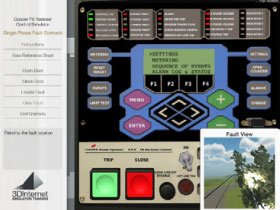
Implementation of a 3D interactive simulation training platform that replicates real-world infrastructure environments.
Results
- 50% reduction in training time
- 40% improvement in procedural accuracy
Significant reduction in field training incidents
White Papers
White Paper: Improving Infrastructure Safety Through Interactive Simulation Training
Introduction
Critical infrastructure industries require highly trained personnel capable of operating complex systems safely and efficiently. Traditional training methods often rely on classroom instruction and limited field exposure, which can expose trainees to significant safety risks.
Interactive simulation training provides a safer, scalable solution by enabling personnel to practice real-world procedures in a controlled virtual environment.
Technology Overview
Modern simulation training platforms integrate:
- 3D infrastructure models
- Interactive procedural workflows
- Virtual reality environments
- Real-time scenario simulation
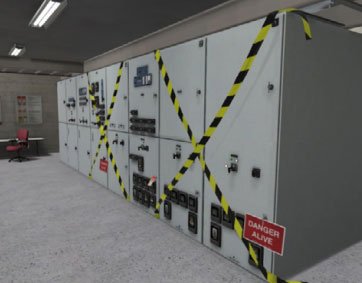
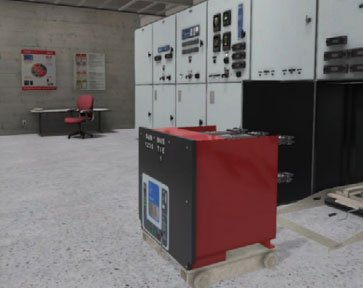
These technologies allow trainees to interact with realistic infrastructure environments such as substations, transmission lines, and control rooms.
Benefits
Organizations adopting simulation-based training report:
- Faster workforce readiness
- Reduced safety incidents
- Improved procedural compliance
- Lower training costs
Applications in Electric Utilities
Electric utilities increasingly use simulation to train technicians and operators on:
- Substation switching procedures
- Transmission line maintenance
- Grid disturbance response
- Emergency restoration operations
These programs align with industry standards from organizations such as the
North American Electric Reliability Corporation.
Conclusion
Interactive simulation training represents a significant advancement in workforce development for critical infrastructure industries. By enabling safe, repeatable training experiences, organizations can improve safety performance, operational reliability, and workforce readiness.
ROI Statistics for Simulation Training
Research across industries shows measurable performance improvements.
Training Efficiency
Studies from organizations such as the
National Training Laboratory show:
- 75% retention through experiential learning
- 5–10% retention through lecture-based training
Cost Savings
Typical training cost reductions:
Training Method | Approx Cost |
Field training with equipment | Very high |
Classroom instruction | Moderate |
Simulation training | Low once deployed |
Simulation can reduce training costs by 30–60% over time.
Safety Improvements
Simulation training programs report:
- 40–70% reduction in training accidents
- Increased hazard awareness
- Improved emergency response times
Examples of VR Training Programs Used by Utilities
Grid Operations VR
Some utilities simulate grid disturbances to prepare operators for events such as:
- Transmission line failures
- Substation transformer faults
- Severe weather grid impacts
Substation Safety VR
Common VR modules include:
- Arc flash hazard recognition
- PPE verification
- Safe switching procedures
Lineworker Training VR
Simulation modules often include:
- Pole climbing
- Conductor installation
Fall arrest procedures